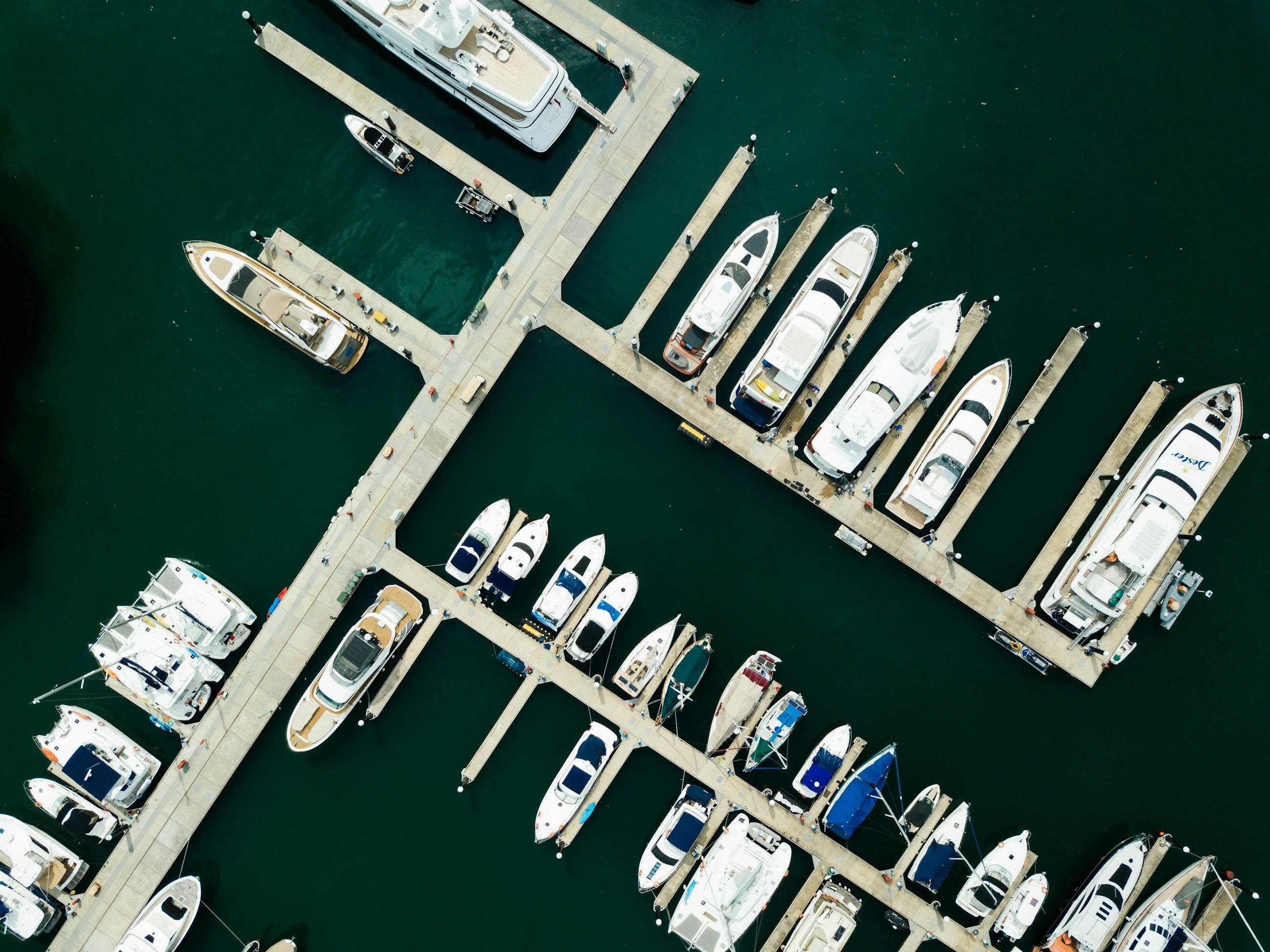
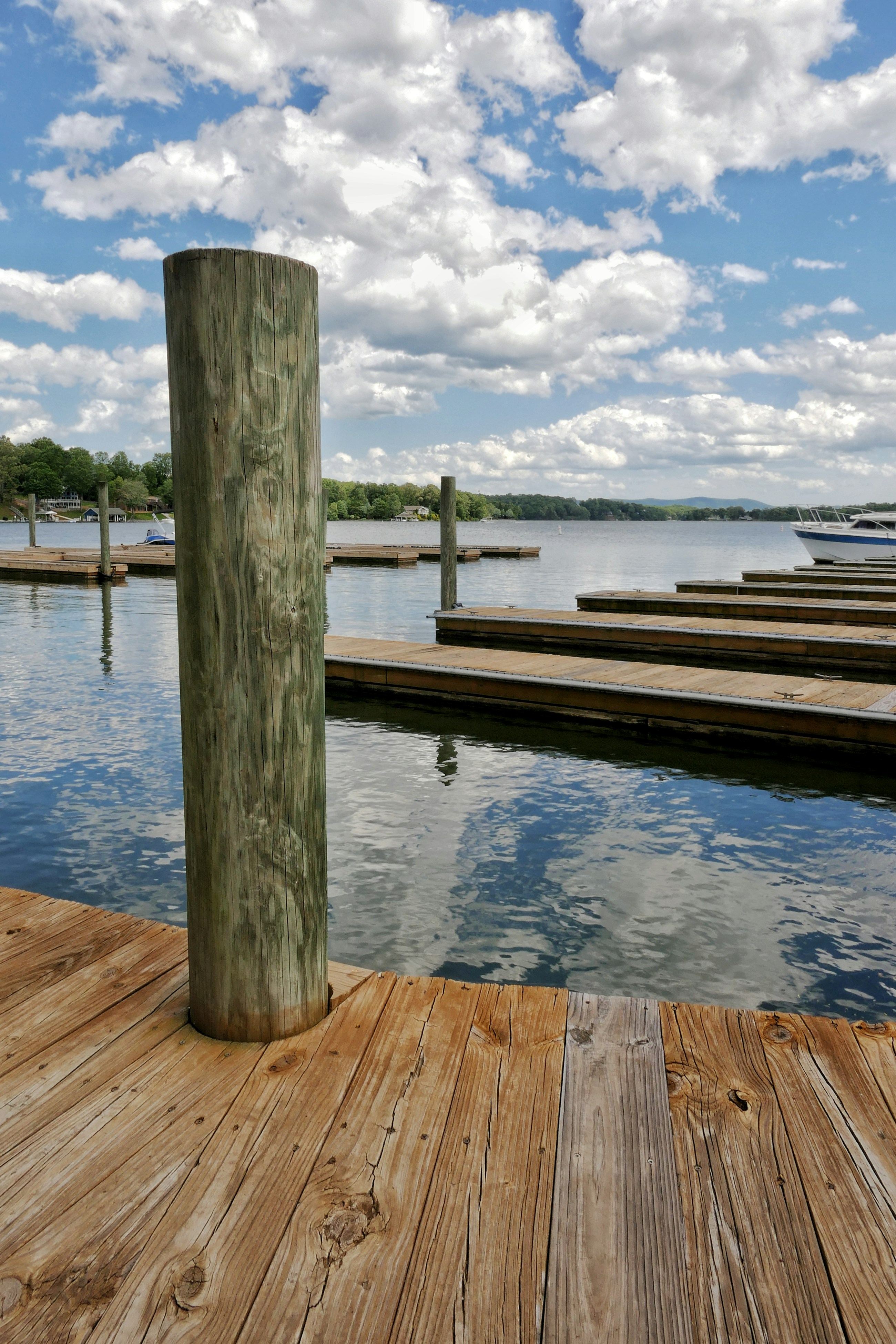
Used pontoon inspection checklist
The short answer
Inspect a used pontoon in six zones: tubes and hull, deck and fence, furniture and fittings, engine, trailer and paperwork. Look at it out of the water, sea trial it, and have a mechanic check the engine. On anything costly, pay for an independent marine survey before you hand over money.
- Tubes: dents, cracks, weld seams
- Deck: soft spots underfoot
- Furniture: seams and mildew
- Engine: hours, compression, leaks
- Trailer: bunks, lights, tires
- Paperwork: title, HIN, registration
Then a sea trial, and a survey on anything costly.
How do you inspect a used pontoon boat?
Look at the boat on its trailer or a lift, so you can see the tubes. Work zone by zone from the water up: tubes, deck, furniture, engine, trailer, then paperwork. Take photos and notes, start the engine cold, and finish with a sea trial. Bring a flashlight, and someone who has owned a pontoon if you can.
Use the checklist below on your phone at the dock. It saves nothing and sends nothing; it just keeps count.
The used pontoon inspection checklist
Twenty-four checks in six zones cover what matters on a pontoon. The tubes and the deck are the expensive parts to fix, so give them the most time; the engine deserves a professional opinion. Tick each item as you go, and write down anything that needs a price before you negotiate.
Ticked0 / 24
What are the warning signs on a used pontoon?
Walk away, or renegotiate hard, if you find water in the tubes, widespread corrosion or many weld repairs, a soft deck, an engine with no records or low compression, a missing or altered capacity label, or paperwork whose hull identification number does not match the boat.
Do you need a sea trial and a marine survey?
A sea trial tells you how the boat runs; a survey tells you what condition it is in. Do both on anything costly. Hire an independent surveyor yourself, add a marine mechanic for the engine, and make your offer subject to both reports being acceptable.
Still deciding? Read new vs used, then plan your maintenance year.
Frequently asked questions
On anything that costs serious money, yes. A marine surveyor inspects the boat independently and writes a report you can use to negotiate, and lenders or insurers sometimes ask for one on older boats. Hire your own surveyor rather than one suggested by the seller, and have a marine mechanic check the engine as well.
Aluminum tubes can often be repaired by a shop that welds marine aluminum, but the cost and the outcome depend on the damage. Ask the shop for a written estimate before you buy, and treat repeated or poor welds, widespread corrosion or water in the tubes as reasons to walk away or renegotiate.
The hull identification number, or HIN, is a 12-character code the builder fixes to the boat, usually at the upper starboard corner of the transom. It identifies the builder, serial number and model year. Match it to the title and registration before you pay.
Sources
- 01Pontoon boats (expert advice archive)BoatUS, checked November 25, 2026
- 02Boat capacities (capacity plates)BoatUS Foundation, checked November 25, 2026
- 03Capacity tags and plates (boats under 26 ft and pontoon boats of all lengths)National Marine Manufacturers Association (NMMA) certification, checked November 25, 2026
- 04Boating safety facts and FAQs (life jacket requirements)U.S. Coast Guard Boating Safety Division, checked November 25, 2026
Checked . benningtonboats.com is an independent guide, not affiliated with, endorsed or sponsored by Bennington Marine, Polaris or any company named, and paid by none of them. Read the disclaimer or how we check facts.